
Why refurbished tech is the future of sustainable procurement
It's not just a smart financial move — it's a sustainability imperative.
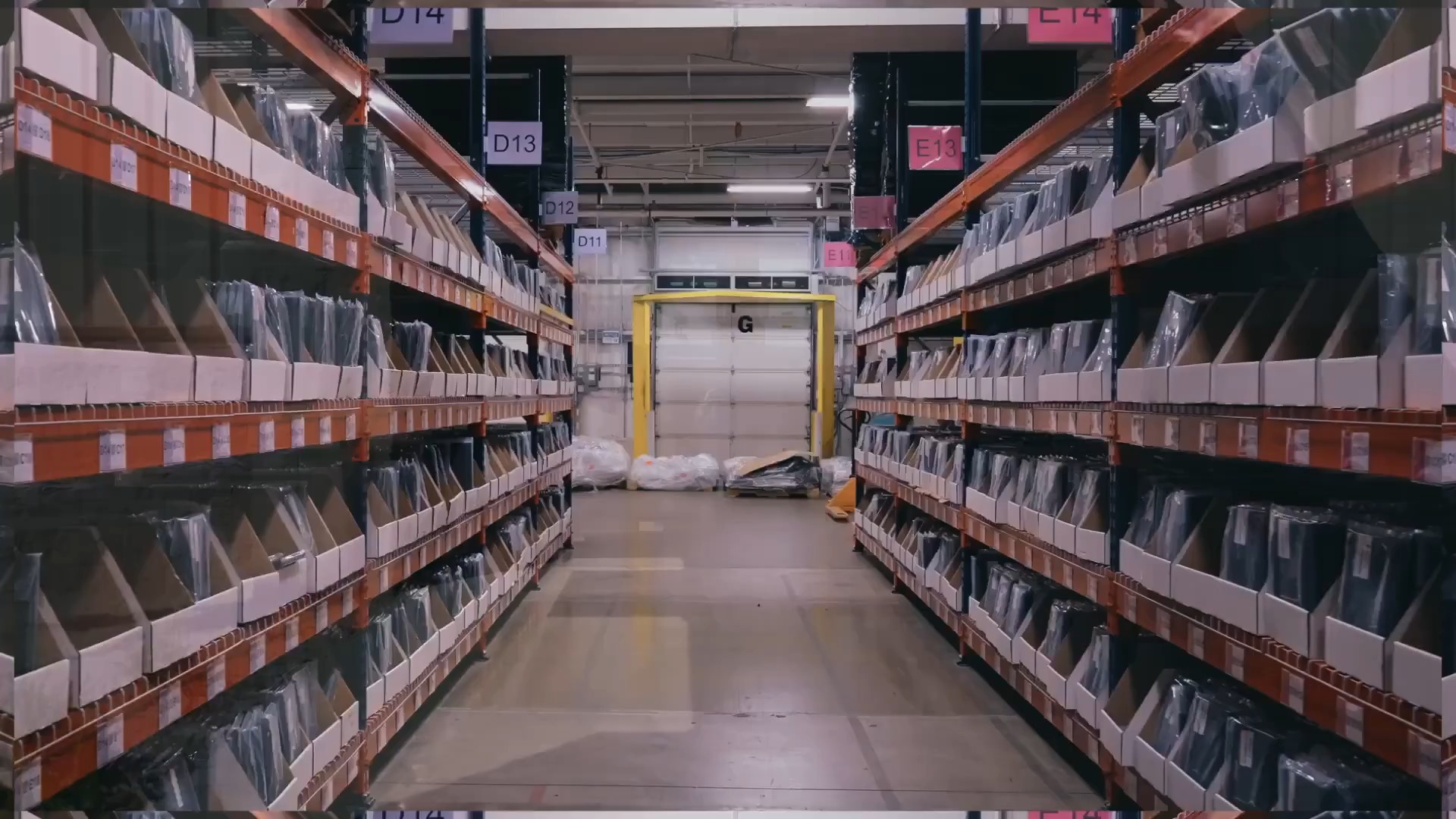
In a world where businesses are racing to decarbonize and optimize operations, refurbished technology has emerged as a powerful tool. Once viewed as a second-tier option, it's now reshaping how forward-thinking teams meet ESG targets, manage costs and drive innovation.
We believe the future of procurement is circular. Here's why.
The environmental cost of new devices
The impact of manufacturing new IT hardware is significant, and often hidden.
- Manufacturing a single laptop generates an estimated 330 kg (728 lbs) of CO₂ — most of it before it's ever turned on. (ResearchGate)
- Smartphone production alone accounts for 85–95% of a device's total lifecycle emissions. (Greenpeace)
- Mining rare earth materials like cobalt and lithium contributes to land degradation and water pollution, particularly in low-regulation regions.
Every time a company chooses a refurbished device over a new one, it eliminates the need for new raw materials and emissions-heavy production.
Extending lifecycles, reducing waste
Refurbishment doesn't just reduce new production — it keeps working tech out of landfills.
- The world generated over 59 million metric tons of e-waste in 2022, yet only 17% was formally recycled. (UNITAR)
- IT departments often replace devices every 3–4 years, despite many systems being capable of 5–7+ years of effective performance when properly refurbished.
- A refurbished device extends the useful life of hardware by 2–4 years, delaying e-waste and maximizing return on embodied energy.
We test, repair and re-certify devices to enterprise-grade performance standards — so sustainability doesn't mean sacrificing reliability.
The financial and carbon advantage
Refurbished tech isn't only good for the planet. Businesses save an average of 30–50% per unit versus new hardware, and the carbon math scales fast.
For every refurbished laptop deployed, a company can avoid up to 316 kg of CO₂e and save 190,000 liters of water, according to estimates from the Circular Electronics Partnership. With ESG reporting and carbon accounting now top priorities, procurement teams are looking for exactly this kind of measurable saving.
What about performance and security?
Let's bust the myth: refurbished does not mean unreliable.
- Every device undergoes multi-point diagnostic testing, hardware upgrades and certified software resets.
- Devices can be configured to client spec, and often come with warranty protections that rival new equipment.
- From startups to Fortune 500s, companies are standardizing refurbished tech as part of their fleet strategy.
The circular procurement era
The shift is already happening. Gartner predicted that 60% of large organizations will mandate circular IT practices in their procurement policies by 2026, and Right to Repair legislation across the EU and several U.S. states is opening further doors for refurbishment adoption.
We see this not as a trend but as a transformation — a way to align technology operations with climate goals while delivering real financial and operational value.
Final takeaway
Refurbished tech isn't a compromise. It's a competitive advantage. It's how sustainable procurement teams lower emissions, extend device value, and lead their organizations into a future where performance, responsibility and savings coexist.
Ready to make your fleet circular?
Get a Quote ↗