
The CFO's guide to smart IT procurement
Sustainable, cost-effective and high-performing. Modern IT procurement isn't just about hardware — it's about making smarter financial decisions.
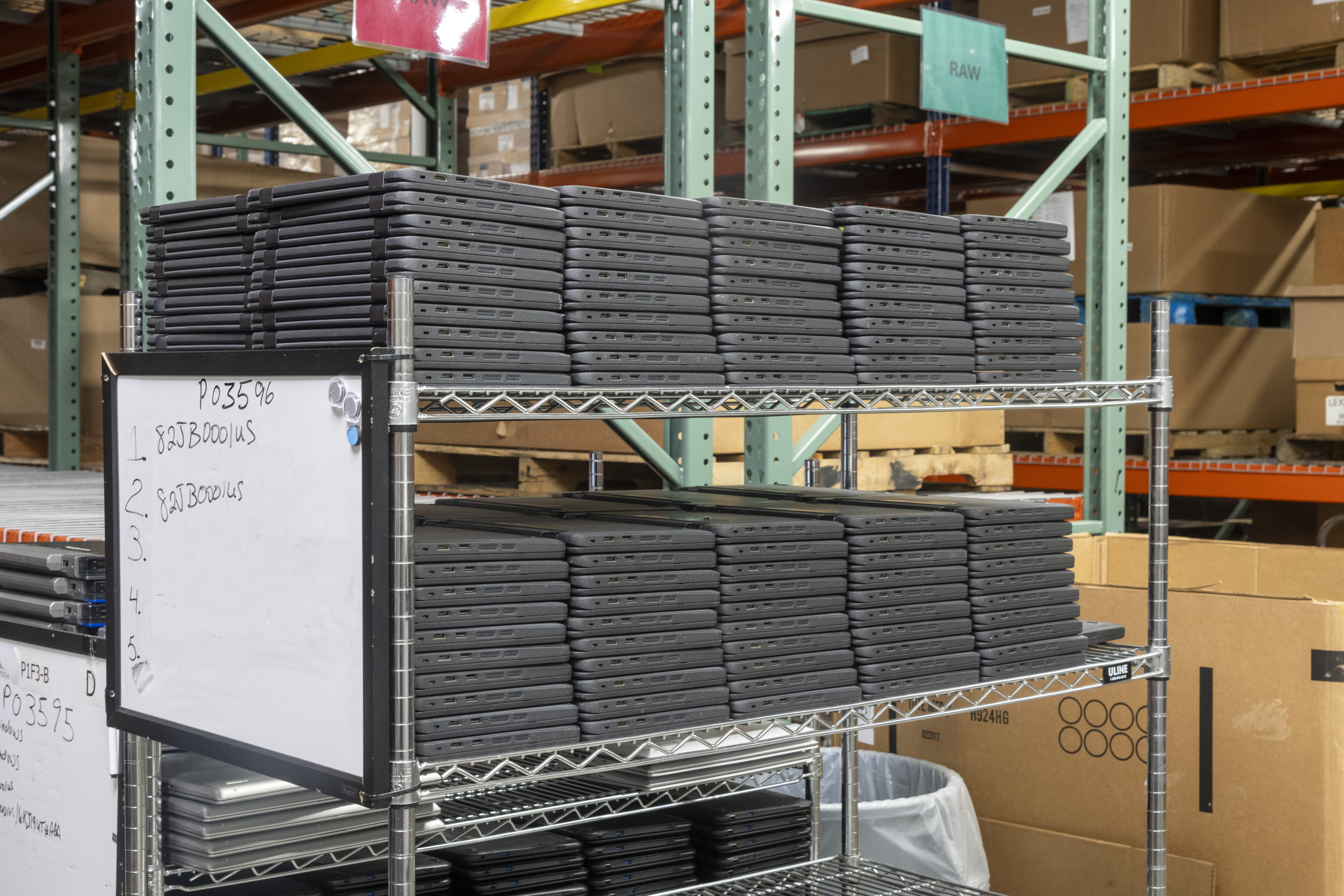
As CFOs step deeper into strategic decision-making around technology, IT procurement is no longer just an operational cost center — it's a lever for both profitability and ESG alignment.
One of the most effective strategies gaining ground in finance and procurement circles is investing in refurbished enterprise-grade technology. Let's break down why.
The new financial landscape
Budgets are tightening across industries. Yet IT needs are expanding — fueled by hybrid work, security upgrades and digital transformation. Here's what CFOs are facing:
- Rising prices for new hardware from chip shortages, inflation and global supply-chain shifts.
- Shorter innovation cycles, making it harder to justify full-priced hardware that's obsolete in 18–24 months.
- Increased pressure from boards and investors to demonstrate ESG progress and carbon reductions.
Against that backdrop, refurbished tech offers a rare combination: lower cost, dependable quality and measurable sustainability benefits.
Budget optimization — the hard numbers
Refurbished laptops and desktops typically cost 30–50% less than new equipment, with similar or identical performance specs. Refreshed Tech devices are re-certified to enterprise standards, so you get hardware that performs just as well with warranty-backed reliability.
Example — a company replacing 500 laptops:
At scale, that translates to millions in potential annual savings for mid-size to large companies managing hundreds or thousands of endpoints.
Quality and risk — what CFOs need to know
A common misconception: refurbished means lower quality. That may have been true ten years ago. Not today. With a trusted partner:
- Devices undergo rigorous diagnostic testing, part replacement and certified software wiping.
- Assets are configured to your company standards — RAM, SSD, operating system.
- Warranties and SLAs provide coverage on par with new OEM devices.
- Secure data handling ensures compliance with ISO, NIST and GDPR requirements.
In short: you can reduce hardware spend without increasing risk exposure.
Aligning IT spend with ESG strategy
Sustainability isn't a soft metric anymore. It's tied to capital markets and regulatory obligations.
- Each refurbished laptop avoids up to 316 kg of CO₂ emissions and saves 190,000 liters of water.
- In 2024, 81% of global companies reported including Scope 3 emissions in their ESG reporting — much of which comes from upstream procurement.
- Refurbished tech offers an auditable path to reduce carbon intensity without changing workflow or infrastructure.
For finance leaders that means meeting ESG goals faster, improving investor perception, and strengthening corporate sustainability reporting.
A hybrid fleet strategy
Modern finance leaders are moving toward a hybrid hardware model:
- New devices, selectively. Executives, developers and power users who genuinely need current-generation hardware.
- Refurbished at scale. Standard business roles, deployed across the bulk of the fleet.
- Extended life cycles. Robust refurbishment and buyback policies that keep value in the business longer.
This approach doesn't just save money. It creates a procurement ecosystem that's circular, measurable and future-proof.
The takeaway
Smart IT procurement is about balance — cost savings, performance and reliability, and ESG accountability, all at once. Refurbished tech isn't a workaround. It's a strategy, and the best CFOs are already making the shift.
See what a refurbished fleet would cost you.
Get a Quote ↗